Customer Portal Navigation
During this period in 2024, we were struggling to maintain NPS scores — and the feedback was pointing to the same friction points: customers couldn't find how to update their payment method or submit a claim. The features existed but the experience didn't make them findable.
Lead UX Designer
6 Months
Figma, FigJam, WalkMe
User Research, Findability, Usability Testing, Information Architecture
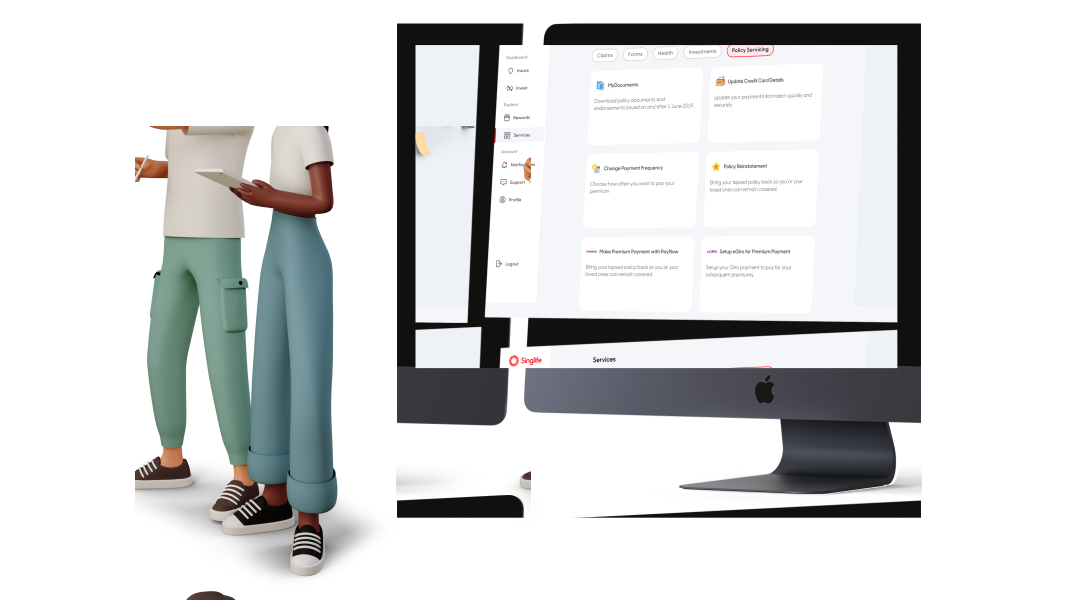
The team struggled with declining NPS scores. Customers couldn't locate payment method updates or claims submission features — the functionality existed but lacked discoverability. Navigation assumed an internal organisational model misaligned with user mental models, creating barriers to goal completion.
Card Sorting
Open card sort with 10 participants to understand natural content grouping and terminology
Mental Models Analysis
Identified varying user approaches — some item-focused, others action-oriented
IA Restructuring
Reorganised sitemap around task-based categories (Claims, Payments, Policies, Account) reflecting user language
Prototype & Validation
Built Figma prototypes tested with 5 users to confirm structural improvements
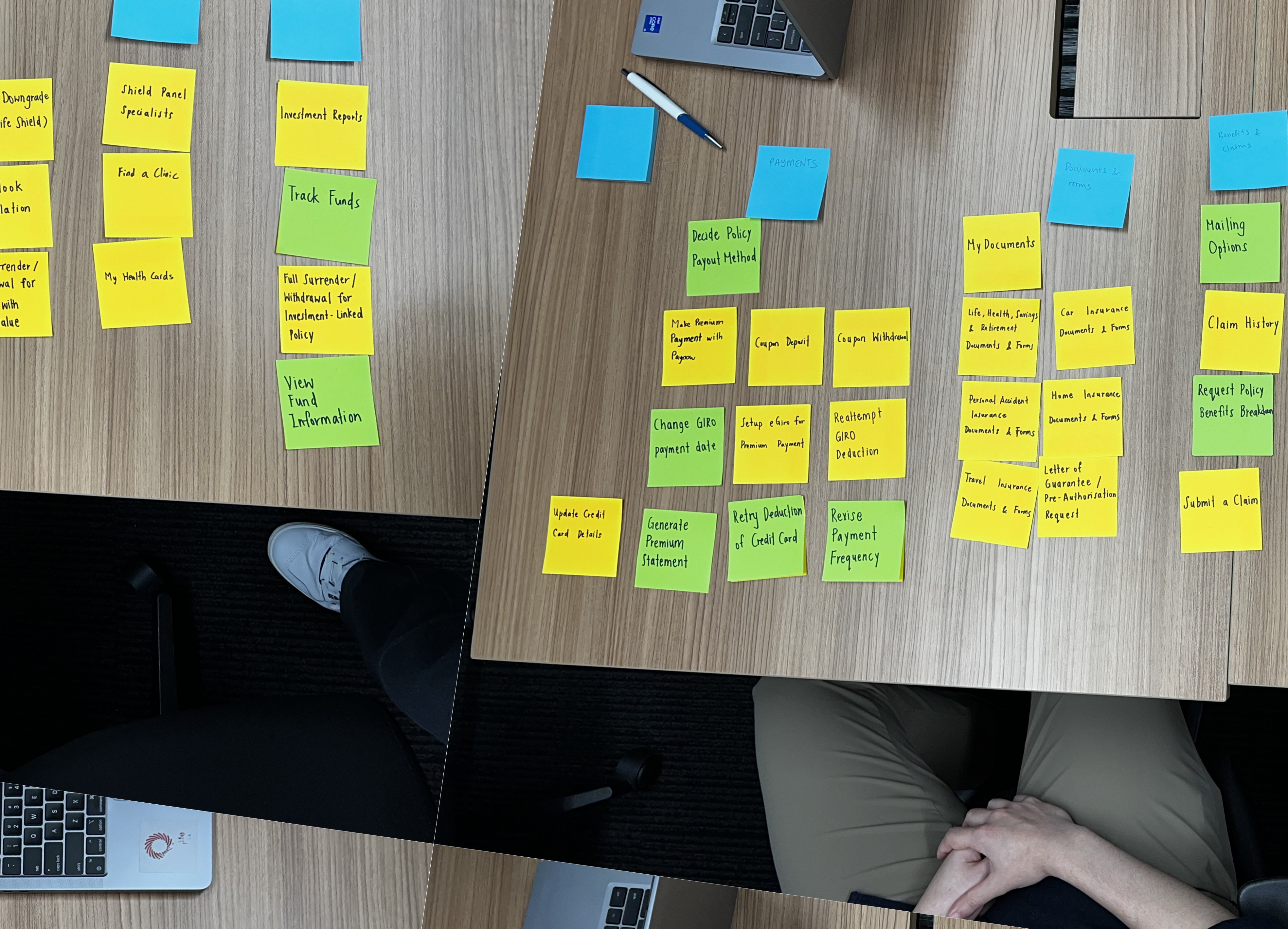
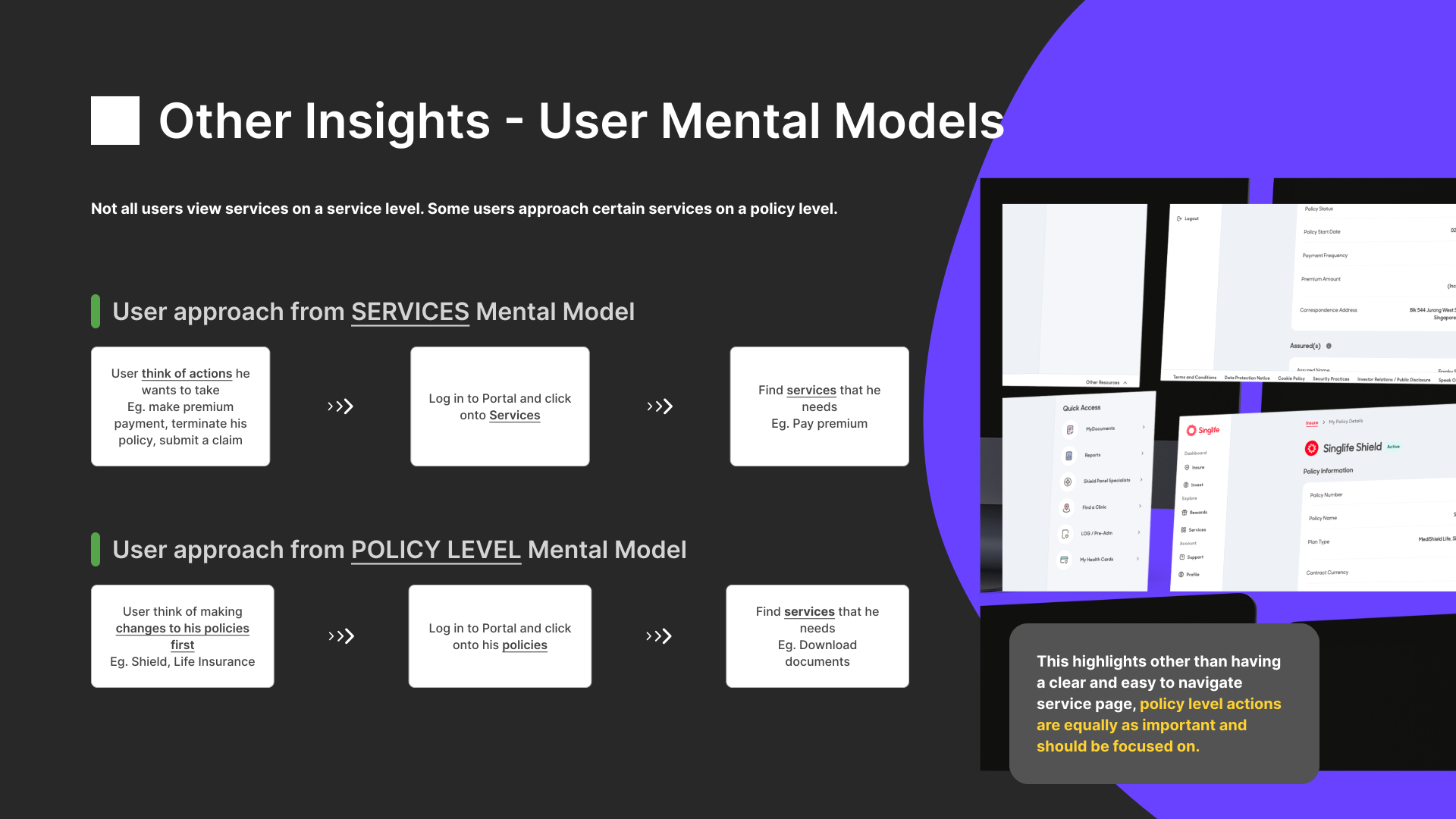
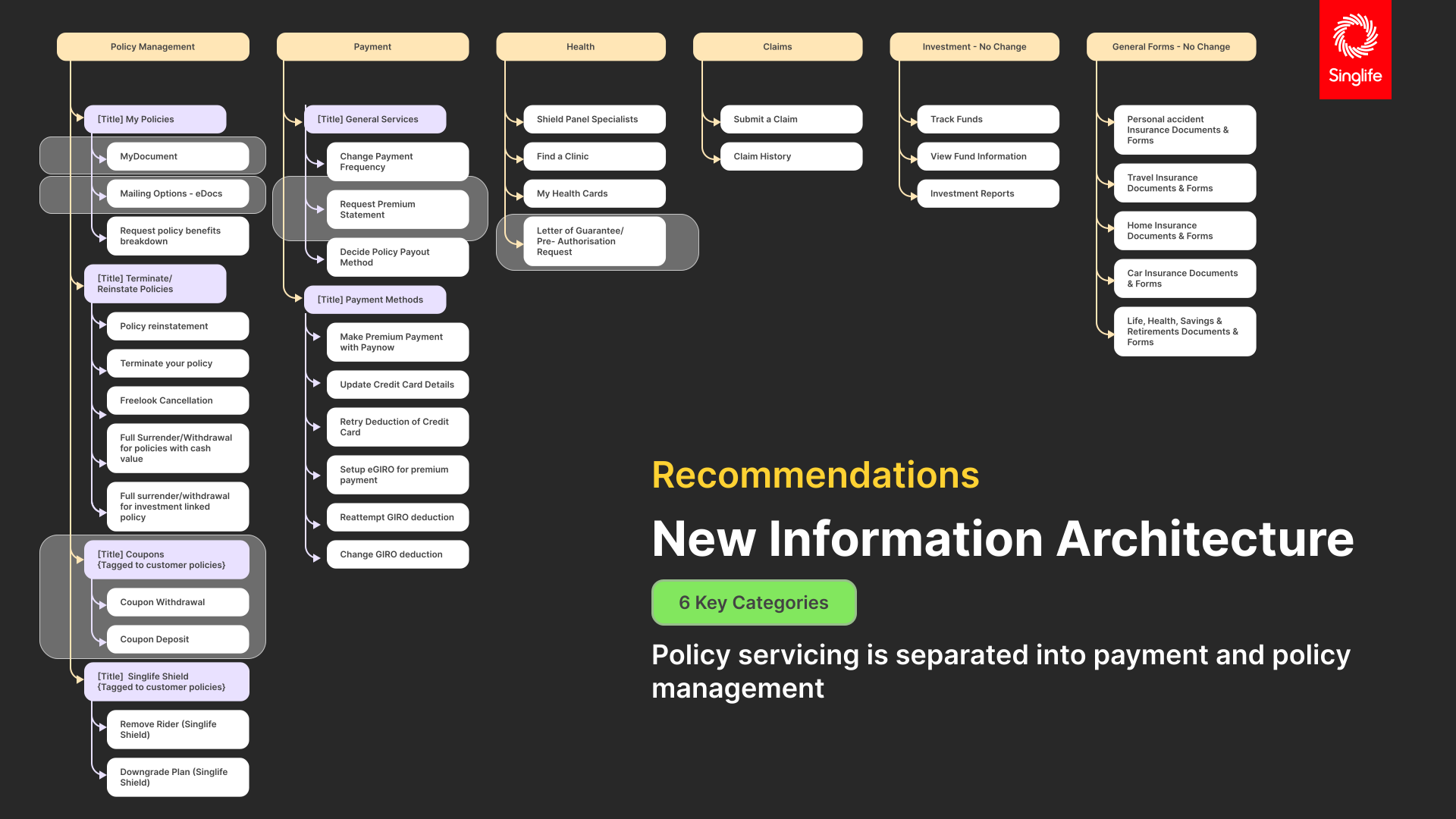
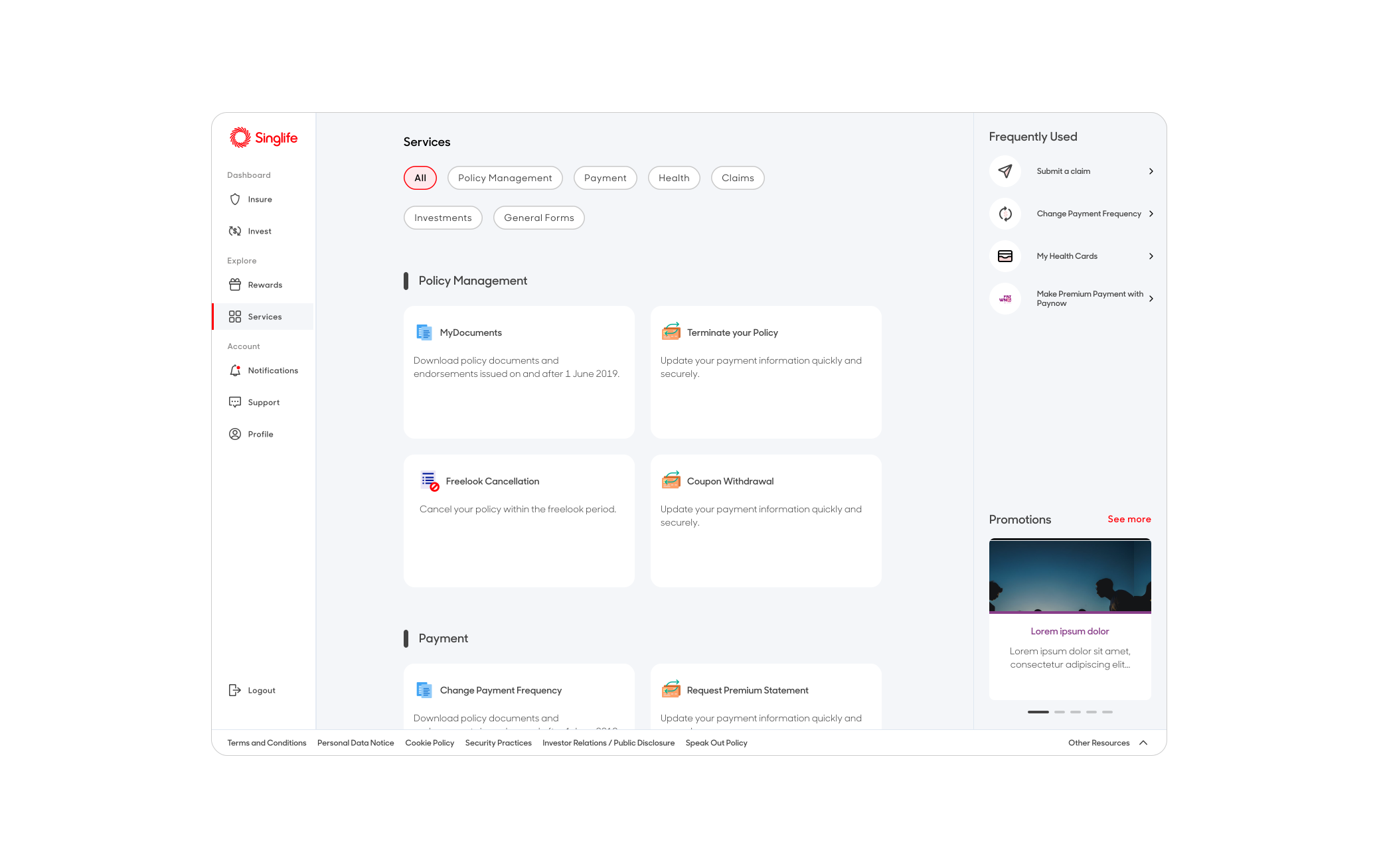
A navigation system reflecting user language and mental models — not internal product organisation.
- 01
Replaced static homepage with a contextual dashboard surfacing account-state-aware actions
- 02
Reduced friction to near single-click interactions for the most common tasks
- 03
Restructured navigation around user tasks, not internal product organisation
- 04
Implemented personalised, state-aware action surfaces
The new structure received positive usability feedback with a clear roadmap for iterative improvements based on analytics and user data. Identified user journeys and mental models laid the groundwork for a more contextual, task-driven portal experience.
Validate hypotheses through research; avoid projecting assumptions onto users during interviews
Sophisticated features become useless if users cannot locate them
Step back when overwhelmed by data to maintain a holistic understanding of the problem